
Muscles Don’t Grow from Damage Alone
Your muscles can increase in size and strength as they adapt to resistance training. Pain or severe muscle damage is not required for growth. Once you can perform an exercise consistently with good form, use progressive overload by gradually increasing one element at a time: weight, repetitions, or sets.
Beginners Should Start with Full-Body Workouts
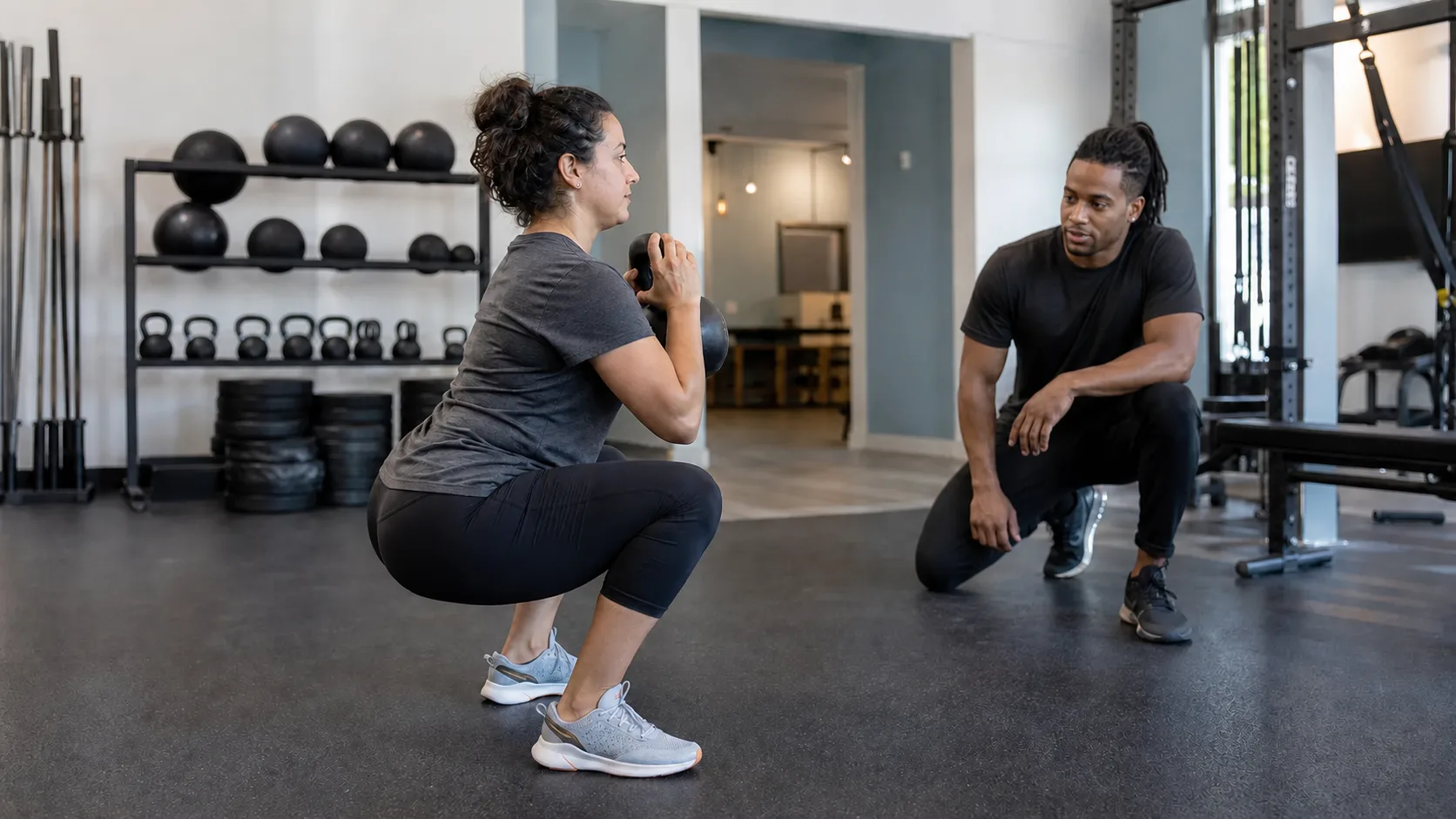
The U.S. physical activity guidelines recommend that adults do muscle-strengthening activities involving the major muscle groups at least 2 days a week. Beginners can practice squat patterns, pushing, pulling, hip hinges, and core exercises 2 to 3 times a week. Specific barbell exercises are not required; machines, bands, and bodyweight movements are all options.
Form and Tracking Matter More Than Repetitions
Start with a weight that makes the last few repetitions of a set challenging while allowing you to maintain good form. Record the exercise name, weight, repetitions, and any areas of discomfort so you know what to increase next time. Stop and review your form if you experience sharp or joint pain.
Protein and Your Overall Diet
The NIH notes that people who exercise may need approximately 1.2–2.0 g of protein per kilogram of body weight per day. Your needs vary depending on your training volume and total intake. Spread protein across meals with meat, fish, eggs, dairy, or legumes, and include enough energy, vegetables, and whole grains as well.
Make Time for Recovery
After training the same muscle group hard, allow time to recover and prioritize sleep and meals. You do not have to consume protein within 30 minutes after exercise for your muscles to grow. If your performance declines for several days and pain or fatigue builds up, you may need a lighter week with fewer sets or less weight.
Supplements Are Optional
Protein powder is convenient when it is difficult to meet your target through food, but it is not essential. Creatine may have evidence supporting repeated high-intensity exercise performance, but you should consider product quality and your individual health. Evidence is limited for taking BCAAs separately if you already consume enough protein.