What Protein Does
Protein helps build not only muscle but also various tissues and substances, including skin, enzymes, and hormones. It is also needed for recovery and growth after exercise. However, increasing protein alone will not automatically build muscle or reduce body fat. You should consider your overall food intake, exercise, and sleep together.
Your Needs Vary by Your Goals and Health
The basic recommended protein intake for adults in the United States is 0.8 g per kilogram of body weight per day. This is a guideline for meeting minimum needs, and requirements may vary depending on activity level, age, and whether you are pregnant or breastfeeding. For example, the baseline amount for a 70 kg adult is about 56 g. If you exercise regularly or are trying to lose weight, consult a healthcare provider or nutrition professional about your needs.
Nutrition Labels Vary by Food
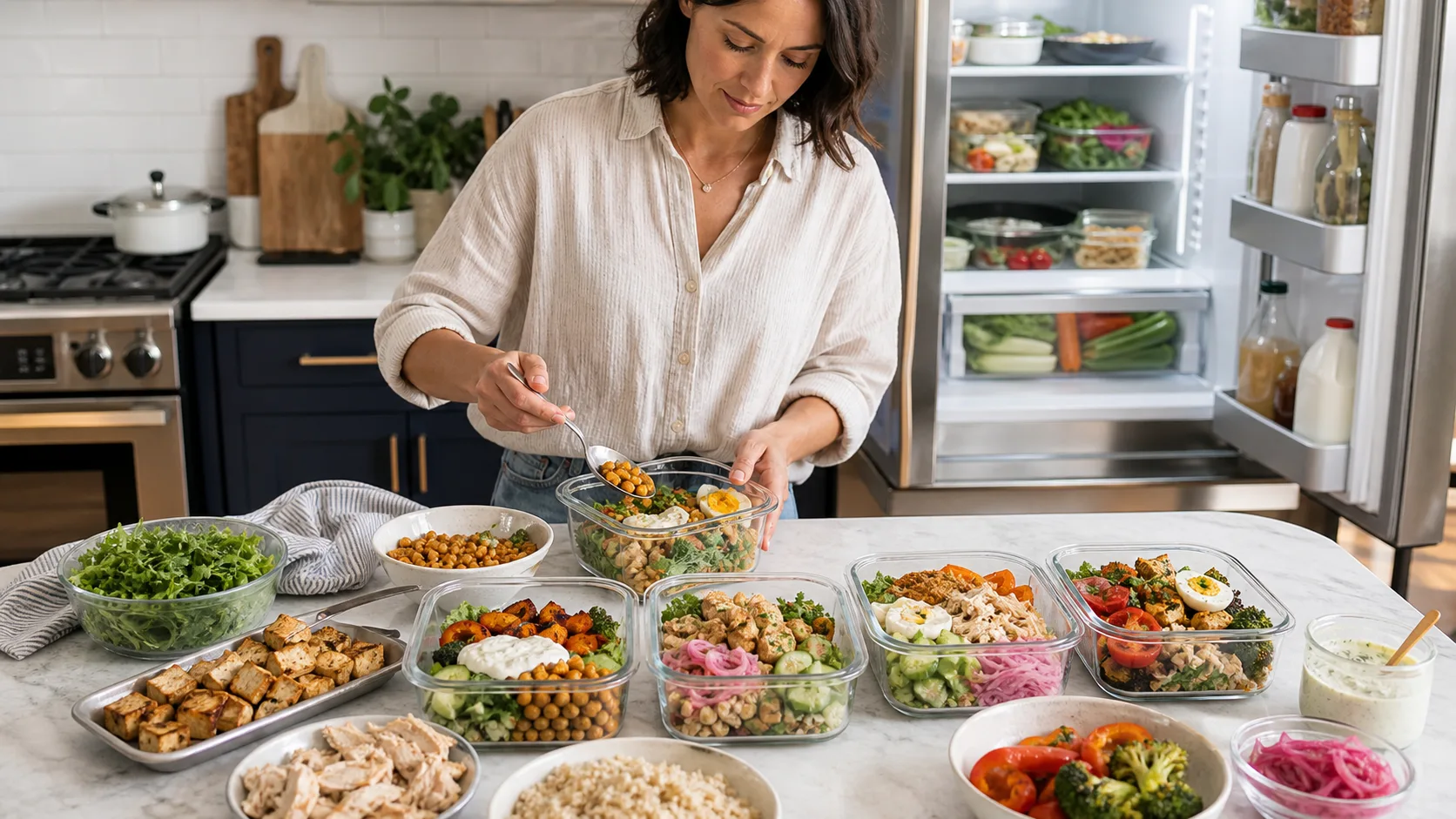
In addition to eggs, fish, lean meat, milk, and yogurt, beans, lentils, tofu, and nuts also provide protein. Values per 100 g can differ significantly depending on whether the food is raw or cooked, so check the product’s nutrition label or USDA FoodData Central. When eating plant-based foods, choose a variety of legumes, whole grains, and nuts.
How to Spread Protein Across Meals
Try adding eggs or unsweetened yogurt at breakfast, tofu, legumes, or lean meat at lunch, and fish or a bean-based dish at dinner. Add vegetables, whole grains, and a moderate amount of healthy fat. Rather than following a fixed meal plan exactly, it is more realistic to adjust portions based on the foods you normally eat and their nutrition labels.
You Do Not Need to Obsess Over the 30 Minutes After Exercise
Eating protein after exercise may support recovery, but its benefits do not disappear if you do not eat within 30 minutes. Your total daily intake and regular meals matter more. If you get enough protein from food, you do not necessarily need to buy protein powder or bars.
Consult a Professional if You Have a Medical Condition
If you have chronic kidney disease, your protein intake should be adjusted individually, so do not start a high-protein diet on your own. It is also safer to consult a healthcare provider if you have liver disease, are pregnant or breastfeeding, have an eating disorder, or are undergoing treatment. Increasing protein while cutting out vegetables and whole grains can lead to insufficient fiber and other nutrients.